For NHS oncology programmes

Regular oncology monitoring, beyond the clinic walls.

Algocyte gives NHS oncology teams earlier visibility into haematological toxicity, reducing avoidable admissions and protecting treatment continuity.

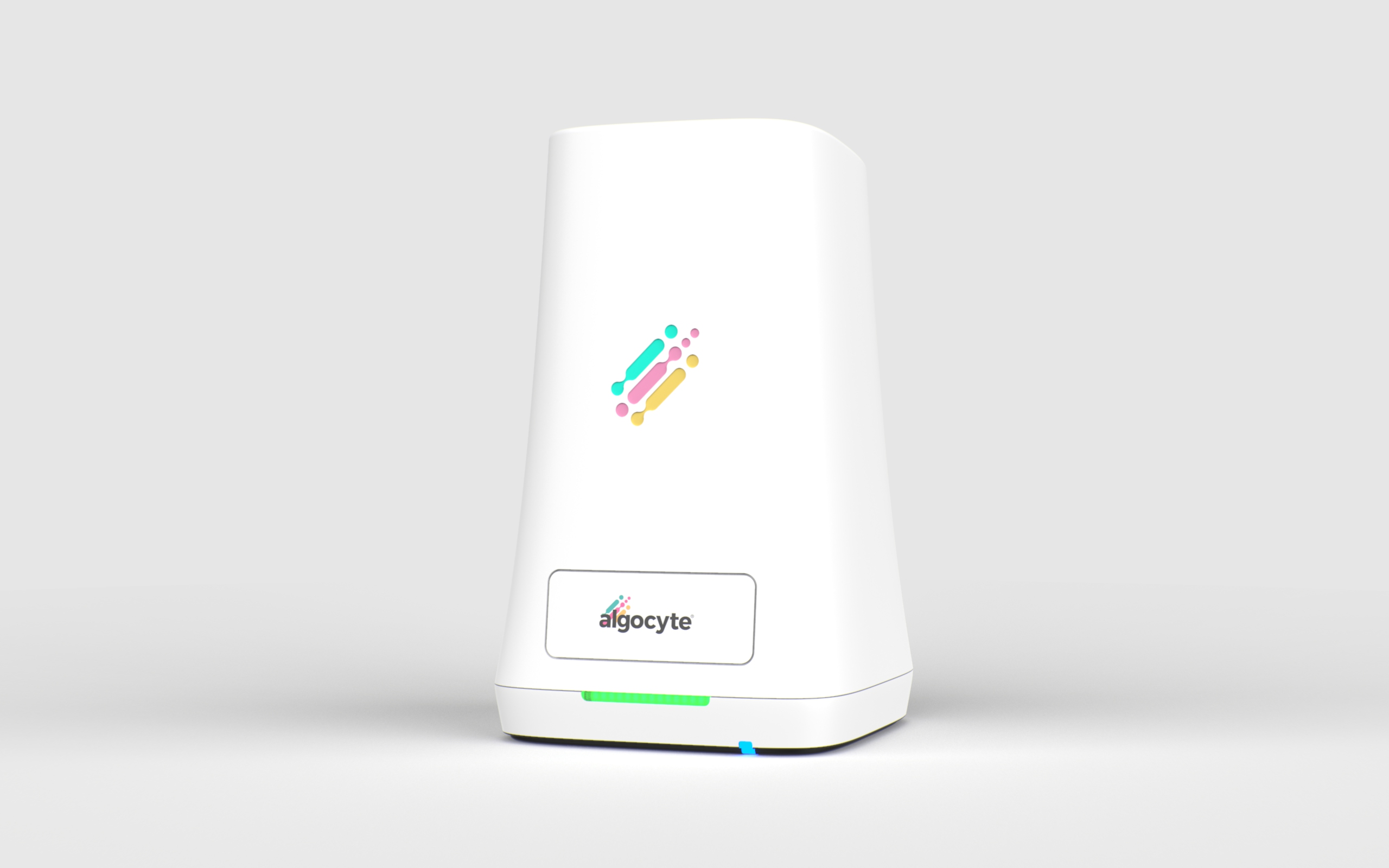
Proxima device, front view

What changes for the service

3.5×
Modelled system ROI in oncology from avoided escalations
Fewer
Febrile neutropenia admissions and chemotherapy delays
EHR
Integration in development for existing clinical workflows

The problem

What oncology teams use today falls short.

Slow

Scheduled CBCs and outpatient appointments make monitoring intermittent, not regular.

Reactive

Toxicity is identified after the patient has already deteriorated.

Resource-intensive

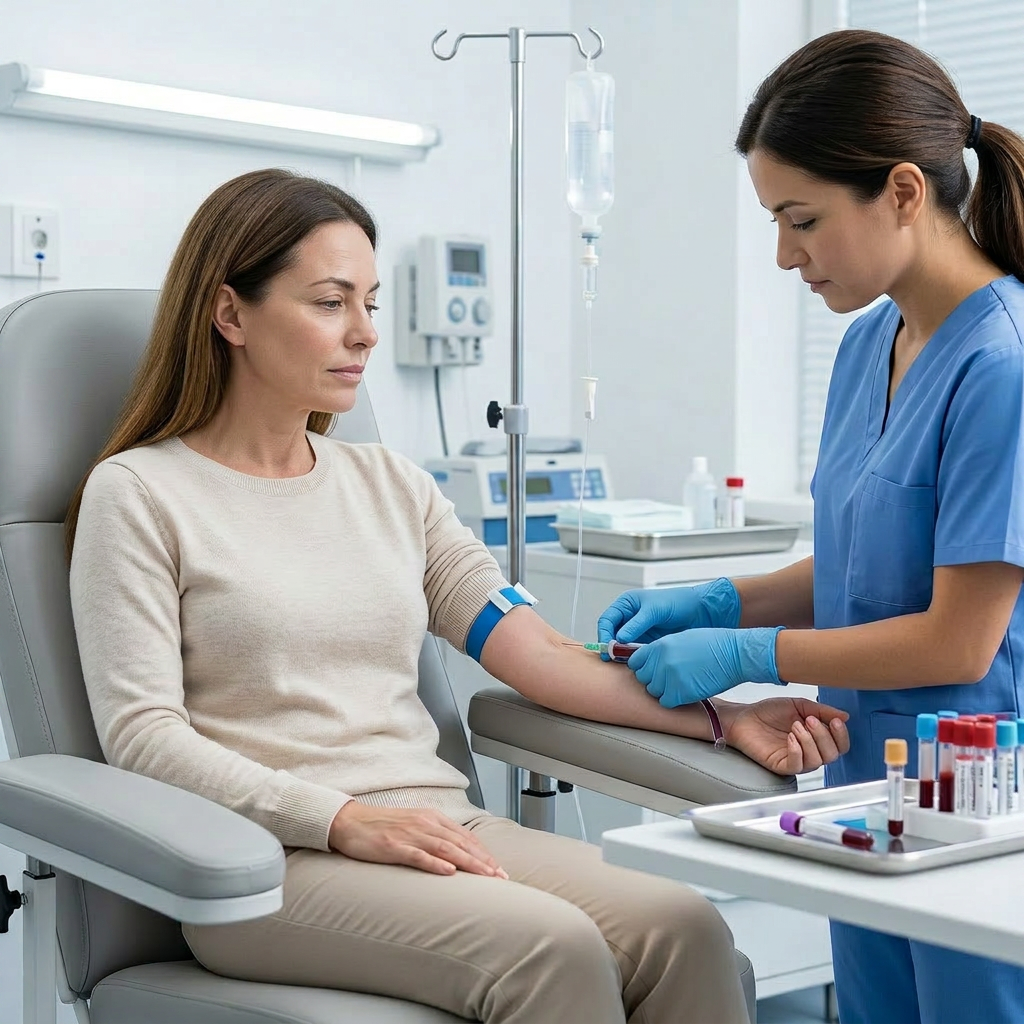
Repeated visits, blood draws and nursing time the service cannot spare.

Reduce avoidable deterioration events

See haematological toxicity before it becomes an admission.

At-home CBC testing on Algocyte Proxima, AI risk stratification and automated alerts surface deterioration earlier, so the team intervenes in clinic, not in A&E.

Inside Health Hub

Protect treatment continuity

Fewer delays. Fewer dose reductions.

Longitudinal patient intelligence across regular CBC monitoring keeps patients on the protocol that's working, and gives the team a defensible record of why decisions were made.

Meet Proxima

Aligned with the NHS 10-Year Health Plan.

01

Reactive to preventive

Earlier detection of haematological toxicity reduces emergency admissions.

02

Hospital to community

Keeps regular CBC monitoring out of acute settings and inside the patient's home.

03

Analogue to digital

Replaces phone follow-up with longitudinal, structured clinical data.

04

Built for the NHS

Designed against NHS digital, clinical safety and information-governance standards.

Built for everyone in the room.

Bring regular immune monitoring to your patients.

Book a 20-minute briefing with our clinical team to see Algocyte in action.