Between cycles
See immune decline between visits.
Regular full blood counts track the neutrophil count between visits, supporting earlier action while intervention is safest and least costly.
Learn the scienceProtect treatment continuity — support earlier detection of immune decline between cycles, so chemotherapy stays on schedule and avoidable admissions, sepsis and ICU escalations go down.

Around 15 – 20% of chemotherapy patients develop febrile neutropenia, often identified only after an emergency attendance.
Reactive blood tests miss the window where intervention is cheapest and safest.
Delayed or skipped cycles compromise efficacy and survival.
Avoidable admissions, sepsis and ICU escalations drive most of the cost and most of the harm.
Regular full blood counts track the neutrophil count between visits, supporting earlier action while intervention is safest and least costly.
Learn the science
Earlier detection means fewer skipped cycles, fewer dose reductions, and fewer avoidable admissions — the things that drive survival.
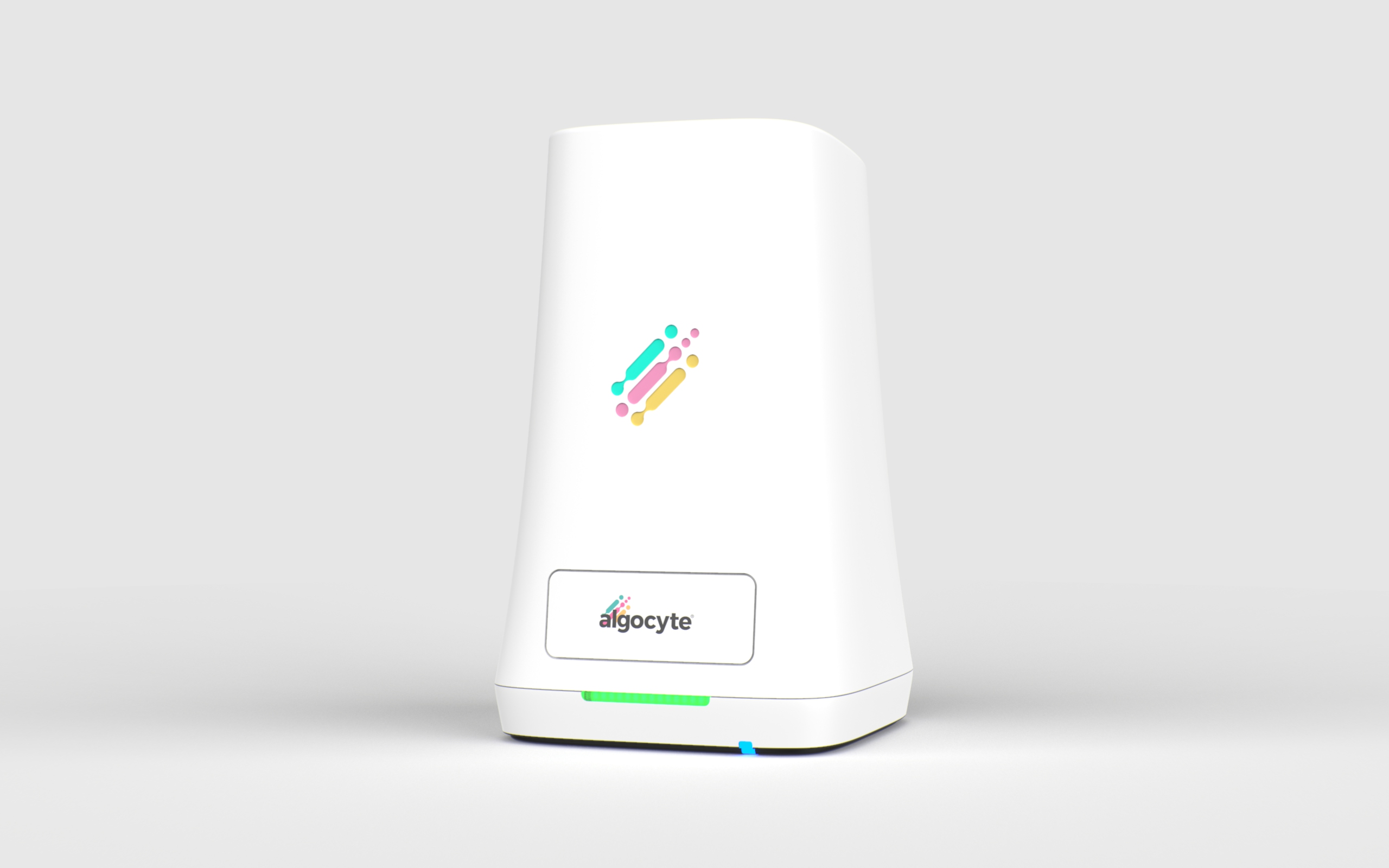
A finger-prick cartridge on the Proxima device returns a full blood count without a clinic visit. Results flow to the patient's phone and the clinician's dashboard within minutes.
Meet ProximaA single cartridge, under five minutes. No phlebotomist required.
Every test refines the patient's personal reference range.
AI flags meaningful deviation in immune markers.
Care team is alerted to meaningful change early.
Book a 20-minute briefing with our clinical team to see Algocyte in action.